What Is a Sober Living Home?
A sober living home (or "sober house" or "recovery residence") is a private, alcohol- and drug-free residence where adults in recovery live together and hold one another accountable. It's voluntary and self-directed: residents choose to be there, agree to house rules, and typically pay their own way — often with family help — rather than being placed by a court or state agency.
- Voluntary. No one is mandated; a resident chooses the home and can leave.
- Privately run and resident-funded. Paid out of pocket or by family, not billed to insurance as medical treatment.
- Post-treatment. Many arrive after detox or a residential/outpatient program, using the home as a bridge back to independent life.
- Peer-supported. Structure comes from house rules, drug and alcohol testing, curfews, house meetings, and 12-step work — not clinical staff providing therapy.
- Open-ended. Usually no hard time limit.
In Massachusetts, the quality marker is MASH certification — the Massachusetts Alliance for Sober Housing — setting voluntary standards for safety, resident rights, and operations. The Graduate House is MASH-certified.
What Is a Halfway House?
"Halfway house" is an older term, used loosely — but strictly, it's transitional housing often connected to the state, courts, or correctional system. Historically it meant a supervised residence for people leaving prison or a mandated program.
- Often referral- or mandate-driven. Placement may come through the Department of Correction, probation, parole, a drug court, or a treatment program rather than the individual's choice.
- Frequently publicly funded. Many are grant-funded or state-affiliated, so a resident may pay little — but has less say in the setting.
- Time-limited. Stays are commonly capped at a set number of months.
- A more regimented population. Residents may be there as a condition of release, so housemates and supervision differ from a voluntary sober home.
Because the term covers everything from correctional reentry housing to any modest sober house, always ask three things: how it's funded, who refers residents, and whether a stay is voluntary.
Sober Living vs. Halfway House: The Real Differences
The practical differences come down to a few questions:
- Who pays? Sober living is resident- or family-funded; halfway houses more often publicly funded or state-affiliated.
- Who refers? Sober living is chosen by the individual and family; a halfway house placement often flows from a court, corrections, or a program.
- Is it voluntary? Sober living is opt-in and opt-out; a halfway house stay may be mandated.
- How long? Sober living is open-ended; halfway houses tend to be time-limited.
- Daily feel? Both are substance-free and accountable, but a good sober living home leans on peer community and personal responsibility rather than institutional supervision.
Neither is "better" in the abstract — they serve different situations and budgets.
Choosing Between Them on the South Shore and Around Boston
Families reach out from all over eastern Massachusetts — Abington, Rockland, Whitman, and Weymouth; Hingham, Cohasset, Scituate, and Duxbury on the coast; Quincy and Brockton. Just as often, parents from the western suburbs — Newton, Wellesley, Brookline, Chestnut Hill, Needham, and Weston — and families with homes on Cape Cod. Their question is usually the same: which housing is right, and how do we tell good from bad?
- A halfway house may fit when placement is tied to the justice system, cost must be near-zero, or a stay is court-directed.
- Sober living usually fits better when a family is choosing freely, wants a say in the environment's quality and safety, and needs a stable, open-ended bridge after detox or treatment.
For how to evaluate any home you tour, see how to choose a sober house and our luxury sober living in Massachusetts overview.
Where The Graduate House Fits
The Graduate House is a premium men's sober living residence in Abington — voluntary, resident-funded, and peer-supported. We're owner-operated, with two live-in house managers, private singles and spacious doubles, and an environment that keeps early recovery dignified, not institutional: a heated saltwater pool, a home gym, quiet spaces, and a real community of men doing 12-step work.
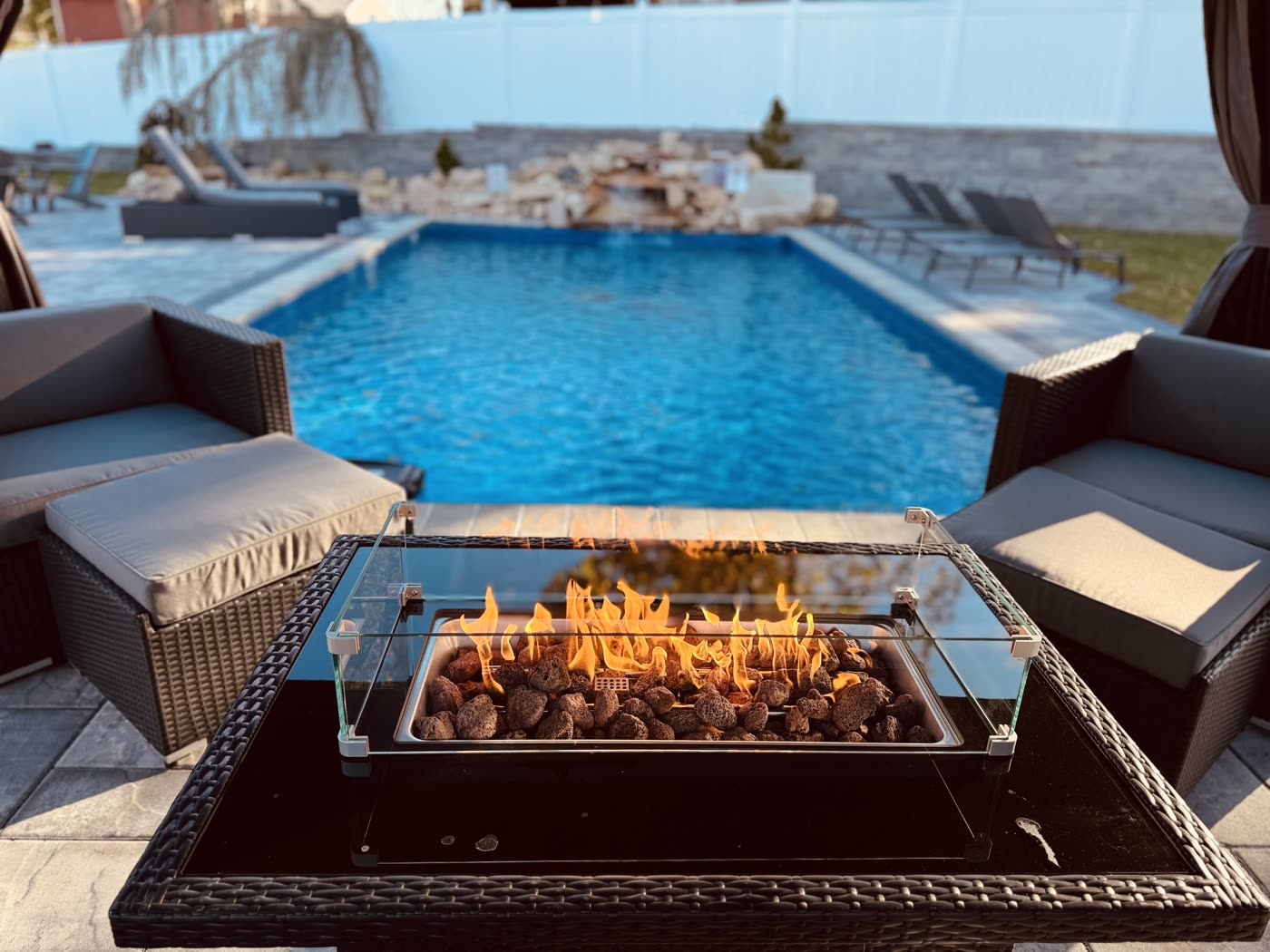
To be clear: we're recovery housing, not a clinical or medical program. We don't provide detox, therapy, or treatment, and we don't bill insurance as medical care — just a safe, structured, comfortable place to live while a man builds a sober life, often after treatment elsewhere.
Our admissions page explains the process, and sober living cost in Massachusetts covers pricing. Or start at our homepage.
Talk It Through With Us
Choosing recovery housing is a big decision, and you don't have to sort it out alone. To talk through whether sober living or a halfway house fits — no pressure, just a straight conversation — call or text 617-763-2716, email DougC@TheGraduateHouse.com, or use our inquiry form. We'll tell you honestly whether we're the right fit or point you to someone who is.
Frequently Asked Questions
Is a sober living home the same as a halfway house?
Not exactly. A sober living home is typically voluntary, privately run, and resident- or family-funded; a halfway house is more often state-affiliated, court-driven, and time-limited. Ask how a home is funded and whether a stay is voluntary.
Is sober living covered by insurance?
Generally no. Sober living is recovery housing, not medical treatment, so it isn't billed to health insurance like detox or clinical rehab. Most residents pay privately, often with family support. Ask any home directly about costs.
Is a stay in sober living mandatory or voluntary?
Sober living is voluntary — residents choose to be there and can leave. A mandated placement, through a court, probation, or corrections, points toward a halfway house.
How long can you stay in a sober living home?
There's usually no hard time limit — residents stay as long as it supports their recovery, often several months to a year or more. Halfway houses are frequently capped at a set number of months tied to a program or sentence.
Do you have to finish rehab before sober living?
Not always, but many arrive after detox or a treatment program and use the home as a bridge back to independent life. Sober living itself is non-clinical peer support, not treatment.
What does "MASH-certified" mean?
MASH is the Massachusetts Alliance for Sober Housing. Certification means a home meets voluntary statewide standards for safety, resident rights, and operations. The Graduate House is MASH-certified — a certification worth asking any Massachusetts sober home about.
Is The Graduate House a sober living home or a halfway house?
We're a sober living residence — voluntary, resident-funded, peer-supported, and men-only, on the South Shore in Abington. Not a court-affiliated halfway house, and not a clinical program. Call or text 617-763-2716 to talk it through.
Ready to talk to a real person?
No pressure, no pushy admissions line — just a confidential conversation about whether the Graduate House is the right fit, for you or someone you love.