The Gap Between Treatment and Home
I've watched a lot of men finish treatment motivated, then move straight back into the exact house, job, and routine that surrounded their using — and wonder why the ground feels unsteady. That gap between the structure of treatment and the reality of home is where hard-won progress gets tested — not a failure of treatment, but a difficult transition, and why step-down housing like sober living exists.
What Changes (and What Doesn't) in Sober Living
Sober living is a different environment than treatment. There's no clinical staff, no scheduled therapy, no medical supervision — The Graduate House is a peer-supported, 12-step, non-clinical home, not a treatment program. What carries over is structure: house rules, accountability, a substance-free environment, and men further along in the same 12-step process supporting men just starting. For the fuller comparison, see our sober living vs. halfway house page.
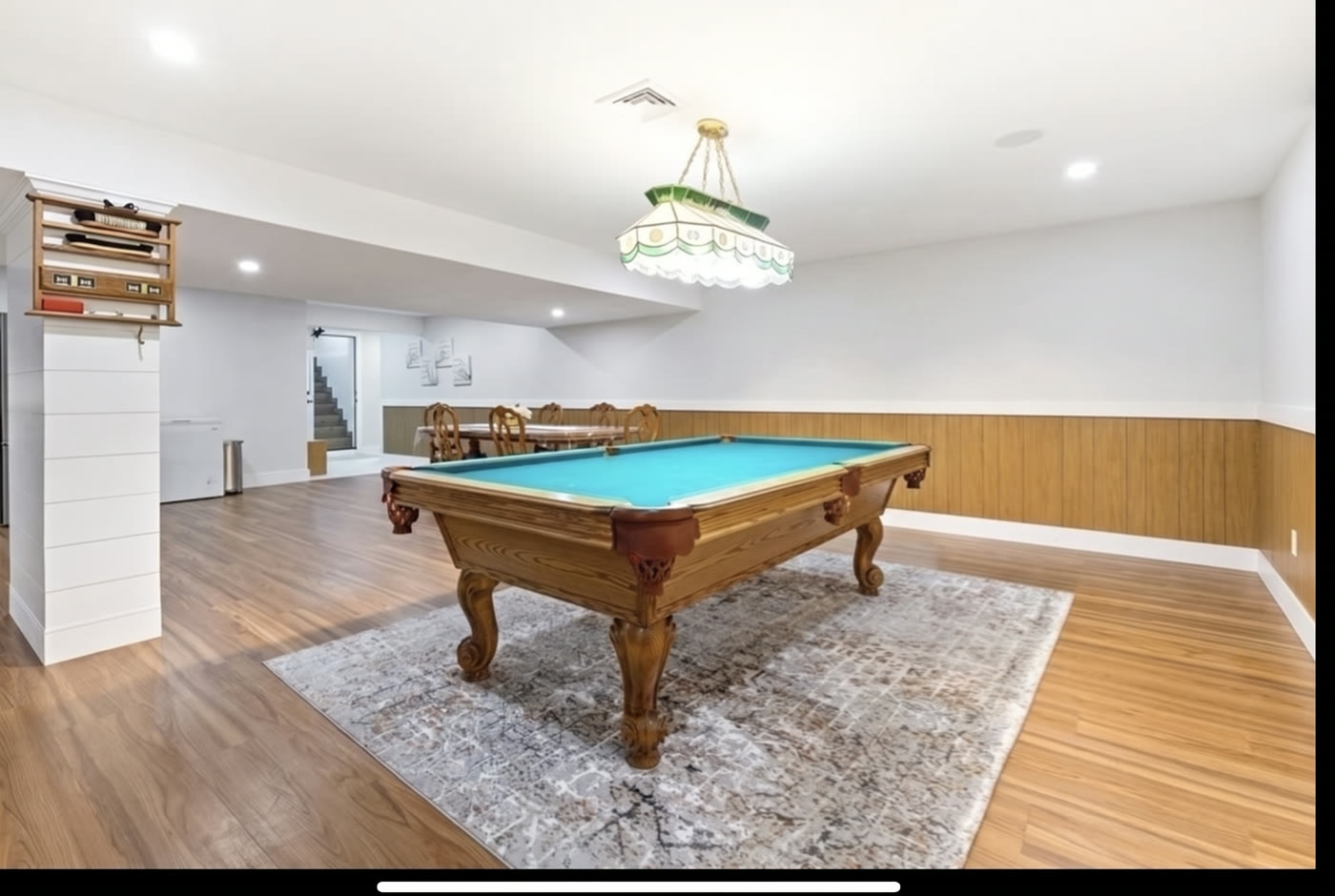
Day to day, that's a house with a heated saltwater pool and a home gym, two live-in house managers, and 16 beds across thirteen bedrooms — a home, not an institution.
When Is the Right Time to Move Into Sober Living?
There's no universal answer. The right timing depends on where someone is in treatment, what their counselor or discharge planner recommends, and their own readiness. The most reliable approach: talk with your treatment team about the step-down care they'd recommend, then talk with us about whether The Graduate House fits at this point.
What We Look For When Someone Is Coming Straight From Treatment
When a man comes to us directly from treatment, we want to talk with him — and often his treatment team — before he moves in: where he's at, what his discharge plan looks like, and whether our house matches what he needs next. See how it works on our admissions page.
For Discharge Planners, Counselors, and Referring Providers
If you're a discharge planner, counselor, or clinician considering sober living for a client's aftercare, we're glad to talk directly. We'll answer questions about the home, our structure, and how we work with families, so you can evaluate whether The Graduate House fits your plan. For background on Massachusetts substance use services, the Bureau of Substance Addiction Services (BSAS) is a useful resource.
Ready to Talk About Next Steps?
Whether you're finishing treatment, further along in recovery, or a provider planning a discharge, call or text 617-763-2716 or email DougC@TheGraduateHouse.com. You can also learn who we serve on our South Shore sober living page, see typical costs on our sober living cost page, or share this family guide.
Frequently Asked Questions
Do I have to complete rehab before moving into sober living?
Not necessarily — it depends on your situation. Many men come directly after finishing a treatment program, but sober living can fit at other points in recovery too. The best approach is a conversation with your current treatment provider, plus a direct conversation with us.
What's the difference between sober living and continuing treatment?
Sober living is a non-clinical, peer-supported home, not a treatment program. There's no clinical staff, therapy, or medical supervision — instead, structure, accountability, a substance-free environment, and a 12-step community. Some use it alongside outpatient treatment; others move in after treatment ends. It's housing built around recovery, not a clinical service.
How soon after detox can someone move in?
Timing depends on the individual and should be worked out with a treatment provider or discharge planner, since we're not a clinical facility. Once that points toward sober living as the next step, we're glad to talk about whether The Graduate House fits and when a move-in makes sense.
Can my treatment center refer a client directly to you?
Yes. We regularly work with discharge planners, counselors, and treatment providers coordinating aftercare. Call or email us to talk through a client's situation, ask about our home and structure, and figure out together whether The Graduate House fits your aftercare plan.
Is sober living considered part of my treatment plan?
That's a question for your treatment provider, since we're a non-clinical sober living home, not a treatment facility. Many discharge planners incorporate sober living into an aftercare or step-down plan. We're happy to talk with you or your team about how The Graduate House might fit.
What if I've tried sober living before and it didn't work?
That's more common than people expect, and it doesn't mean sober living isn't worth trying again. We're glad to talk honestly about what happened before, what might need to be different, and whether The Graduate House is a good fit now. Call or text us — no judgment.
Ready to talk to a real person?
No pressure, no pushy admissions line — just a confidential conversation about whether the Graduate House is the right fit, for you or someone you love.