Start With One Question: Is It MASH-Certified?
If you remember one thing from this page: ask whether the home is MASH-certified. MASH is the Massachusetts Alliance for Sober Housing, the state affiliate of the National Alliance for Recovery Residences (NARR). Certification isn't a badge you can buy — an independent organization inspects the home, verifies health and safety standards, and holds the operator to a code of ethics and a resident bill of rights.
Why it matters: in Massachusetts, the agencies families trust — the Bureau of Substance Addiction Services, drug courts, hospitals, reputable treatment programs — may only refer to certified homes. An uncertified house sits outside that accountability system, and certification prohibits predatory practices like kickbacks and patient brokering.
Don't take anyone's word for it, including ours. MASH publishes a public registry of every certified home; confirm any house you're considering is listed and active. Abington Graduate House is MASH-certified, and we encourage every family to verify certification independently for any home they are considering. Newly certified homes can take several weeks to appear on MASH's public registry, so if you do not see us listed yet, ask and we will send you our certificate.
Questions to Ask a Sober House Before You Commit
A good operator welcomes hard questions; evasiveness is itself an answer. Ask each home:
- Are you MASH-certified, and on the registry? A confident yes with a straight referral is what you want.
- Who lives on-site, and their qualifications? Live-in house managers, or a manager who checks in a few times a week?
- Is it gender-specific? Single-gender housing removes a major distraction — the standard for serious recovery.
- What's the recovery culture day to day? House meetings, 12-step involvement, what a typical week requires.
- How is accountability handled? Drug and alcohol testing, curfews, consequences for using.
- What are the total costs, and what's included? Get rent, deposits, and fees in writing; our sober living cost in Massachusetts guide explains what's fair.
- How long do residents and staff stay? Stability signals a healthy house.
- Can I see the home? A reputable operator will invite you in.
What Separates a Great Sober House From an Adequate One
Past certification, the differences come down to the environment and the people running it — what we'd weigh most heavily:
Live-in house managers. There's no substitute for experienced managers who actually live in the home. They set the tone, respond in real time, and model recovery. We keep two because presence, not paperwork, keeps a house safe.
Gender-specific housing. A single-gender environment lets residents focus entirely on recovery and build genuine brotherhood. Graduate House is a men's home for exactly this reason.
A real 12-step culture, not box-checking. Look for a home where the 12-step way of life is woven into daily rhythm — sponsorship, service, honest accountability — not just a signature on an attendance sheet.
Drug testing and accountability. Consistent, non-negotiable testing isn't punishment; it keeps the environment safe so men serious about staying sober can.
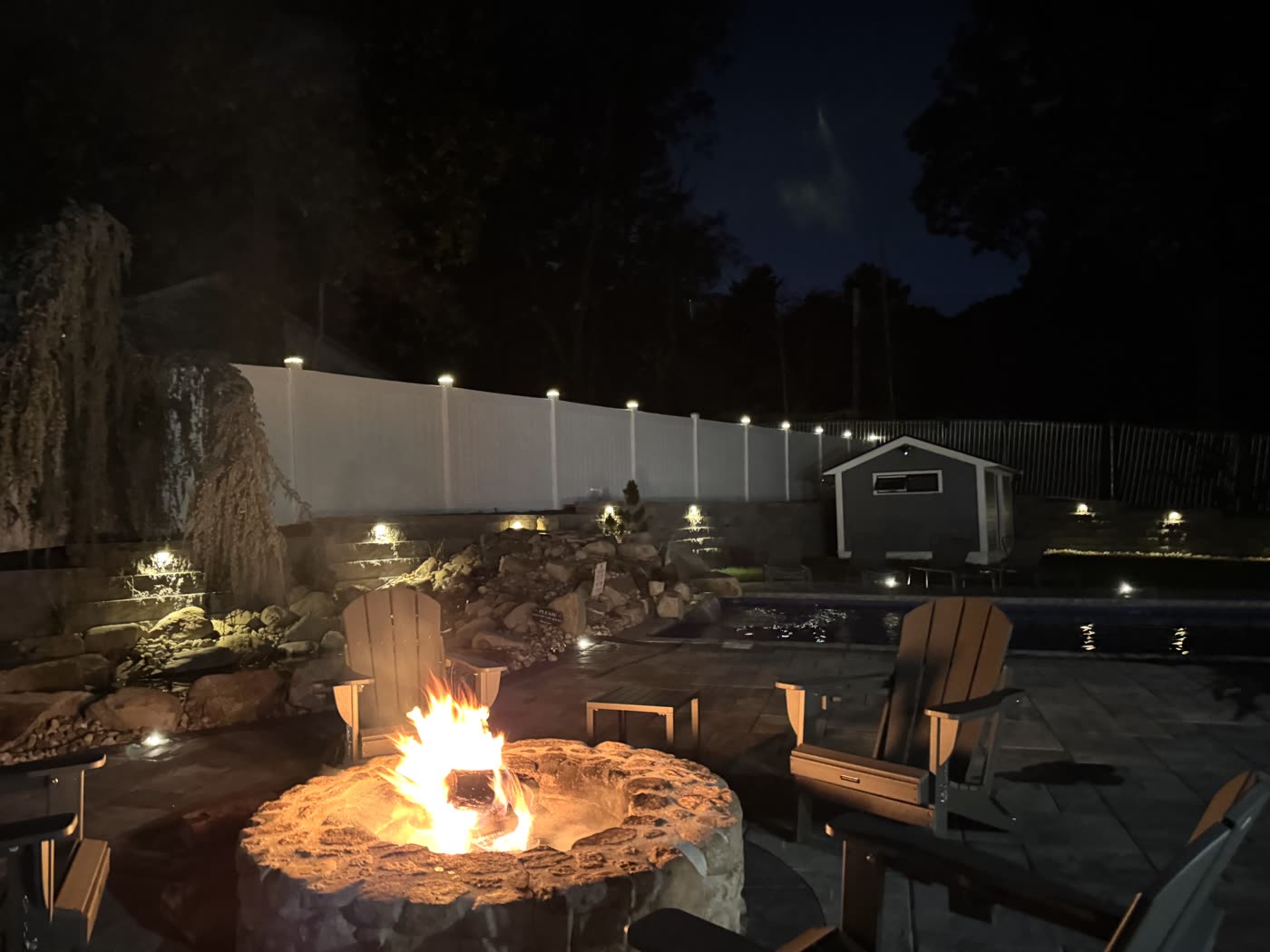
The physical environment. Where you live shapes how you recover. Cramped, run-down housing signals how little residents are valued; a clean, dignified home — comfortable rooms, shared spaces, grounds worth spending time in — supports the work. See our luxury sober living page.
Staff longevity. Ask how long the managers and owner have done this. Recovery housing done well is relationship-driven.
Red Flags to Avoid
Warning signs worth walking away from:
- No certification. If a home can't show MASH certification and isn't on the registry, keep looking.
- Body-brokering and kickbacks. Be wary of anyone offering to pay you, or a treatment center, for placing a resident. Patient brokering is unethical and often illegal — decisions made about money, not recovery.
- 800-number lead-generation. Many slick sites and toll-free hotlines aren't homes at all — they're marketing funnels that sell your inquiry. Speak directly with the people who run the house you'd live in.
- Vague or shifting costs. Pressure to pay large sums immediately, with no written breakdown, is a bad sign.
- No accountability. No testing, no curfew, no consequences isn't a recovery environment; it's just an apartment.
Choosing the Best Sober House on the South Shore and Greater Boston
Families rarely search for the “best sober house in Massachusetts” from a distance — they want a home they can trust close enough to visit. We welcome men and families from across the South Shore and Greater Boston: Abington, Rockland, Whitman, Weymouth, Hingham, Cohasset, Scituate, Duxbury, Quincy, and Brockton, the western suburbs of Newton, Wellesley, Brookline, Chestnut Hill, Needham, and Weston, and families from the Cape.
Location matters more than people expect. Being rooted on the South Shore keeps residents connected to the recovery community, meetings, employers, and family, while offering enough distance from old patterns to build something new. If you're weighing how sober living differs from other options, our sober living versus a halfway house comparison is a useful next read.
When you've narrowed your list, see how our process works and how to apply on our admissions page, or start at our homepage.
Frequently Asked Questions
What does MASH certification mean, and why does it matter?
MASH is the Massachusetts Alliance for Sober Housing, the state affiliate of the National Alliance for Recovery Residences (NARR). Certification means a home passed independent inspection and agreed to a code of ethics and a resident bill of rights. It matters because Massachusetts agencies, courts, and treatment programs may only refer to certified homes, and it bars practices like patient brokering. Verify any home on the public MASH registry. Abington Graduate House is MASH-certified.
What questions should I ask a sober house before choosing?
Ask whether it's MASH-certified and on the registry, who lives on-site and their qualifications, whether it's gender-specific, what the daily recovery culture and 12-step involvement look like, how testing and accountability are handled, total costs and what's included, how long residents and staff stay, and whether you can tour. A reputable operator answers openly.
Is a sober house the same as rehab or a treatment program?
No. A sober house is non-clinical, peer-supported recovery housing — not detox, rehab, or a medical treatment program. Graduate House provides a safe, structured, substance-free home and a strong 12-step community, but no medical treatment. Many men come after completing treatment; if clinical care is needed, it's arranged separately with licensed providers.
How is a sober house different from a halfway house?
They differ in structure, oversight, funding, and length of stay. Sober living is typically privately operated, resident-funded, and open-ended; halfway houses are often tied to a program or corrections with fixed timelines. Our sober living versus halfway house page breaks it down.
How much does sober living cost, and does insurance cover it?
Because sober living is housing, not medical treatment, it's generally not billed to health insurance as a covered clinical service. Costs vary by home and by what's included. We keep pricing straightforward and in writing — see our sober living cost in Massachusetts guide, and contact us for specifics.
How do I take the next step with Abington Graduate House?
The best first step is a direct conversation. Call 617-763-2716, email DougC@TheGraduateHouse.com, or use the inquiry form on our site. We'll answer honestly, walk you through admissions, and help you decide whether our home fits.
Ready to talk to a real person?
No pressure, no pushy admissions line — just a confidential conversation about whether the Graduate House is the right fit, for you or someone you love.